


Home / Blog

How Geopolitical Events Move Your Swing Trades

Most swing traders track charts. Very few track geopolitics. Conflicts, rate decisions, and trade collapses don't ask permission before moving your position. That blind spot costs more trades than any bad entry ever could. Here's everything you need to know; straight ahead.

Michael Podsiadlo

8 min. read
Listen this blog
0:00 0:00

The Market Doesn't Wait for the News to Make Sense

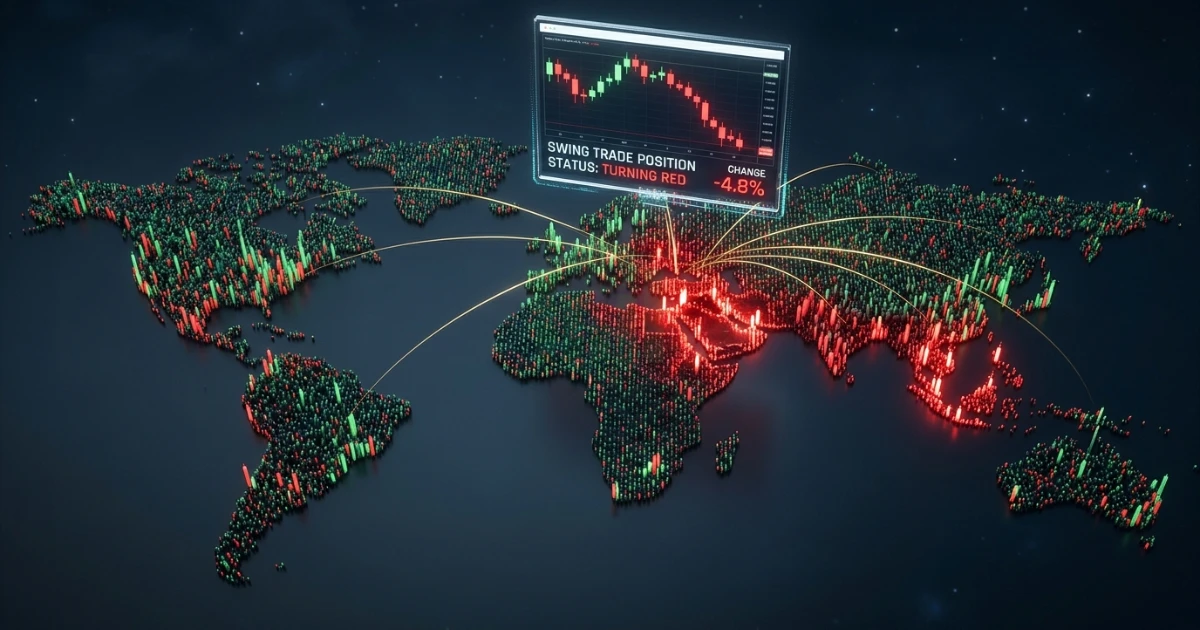
Geopolitical events move markets before most traders understand what's happening. The moment a major development breaks a conflict escalation, a sanctions announcement, an unexpected election result institutional algorithms react in milliseconds. By the time retail traders read the headline, the chart has already moved.

That speed is what makes geopolitical risk different from technical risk. A bad earnings report is scheduled. A central bank decision has a date. Geopolitical events have no calendar. They arrive without warning and reprice entire sectors, currencies, and indices before a single retail trader has processed what they mean.

The traders who survive these moments aren't the ones who predicted the event. They're the ones who had a system prepared before it happened.
Which Geopolitical Events Hit Swing Trades the Hardest

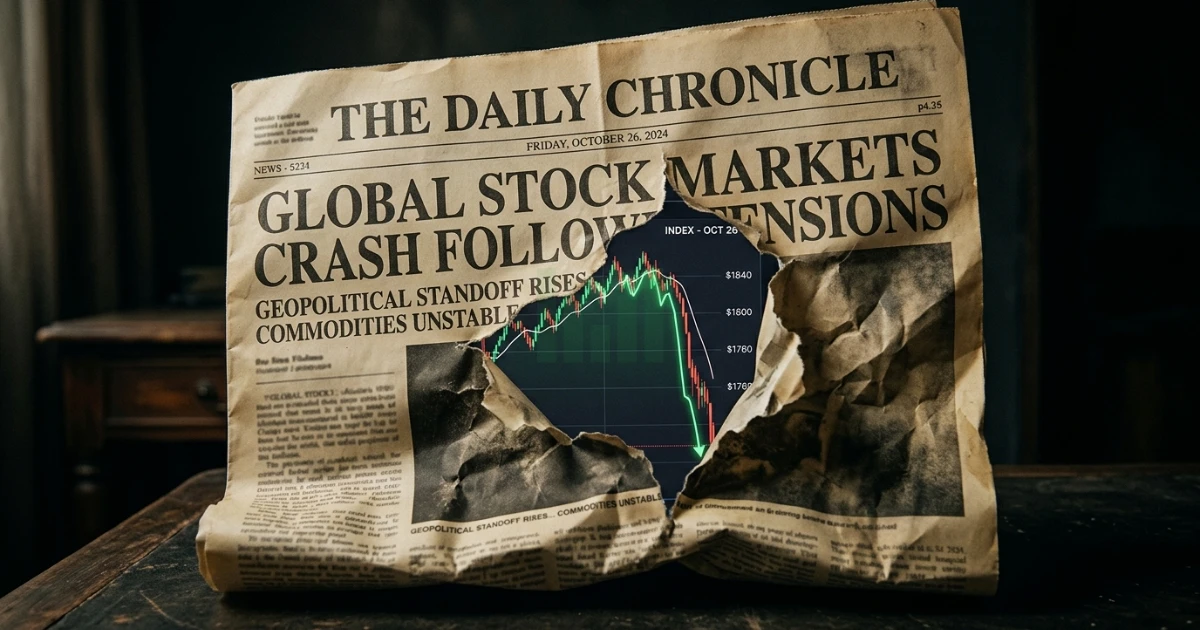
Not every global development moves markets equally. Swing traders need to understand which events carry the most weight and why.

Conflict and military escalation Wars and armed conflicts immediately move energy prices, defense stocks, and safe-haven assets like gold. A swing trade in energy or materials that was technically perfect on Thursday can gap violently against you by Monday if a conflict escalates over the weekend.

Trade policy and tariffs Trade decisions hit manufacturing, technology, and consumer sectors directly. A new tariff announcement can reprice an entire sector in a single session turning a clean breakout setup into a losing position before the setup even had a chance to develop.

Central bank decisions and currency moves Interest rate decisions and central bank commentary move currencies and bond markets instantly. For swing traders in sectors sensitive to rates financials, real estate, utilities these events are the difference between a setup holding or collapsing overnight.

Elections and political transitions Political uncertainty creates volatility before and after results. Markets hate uncertainty more than they hate bad news and elections deliver uncertainty in quantity.

What Smart Swing Traders Do Before Geopolitical Risk

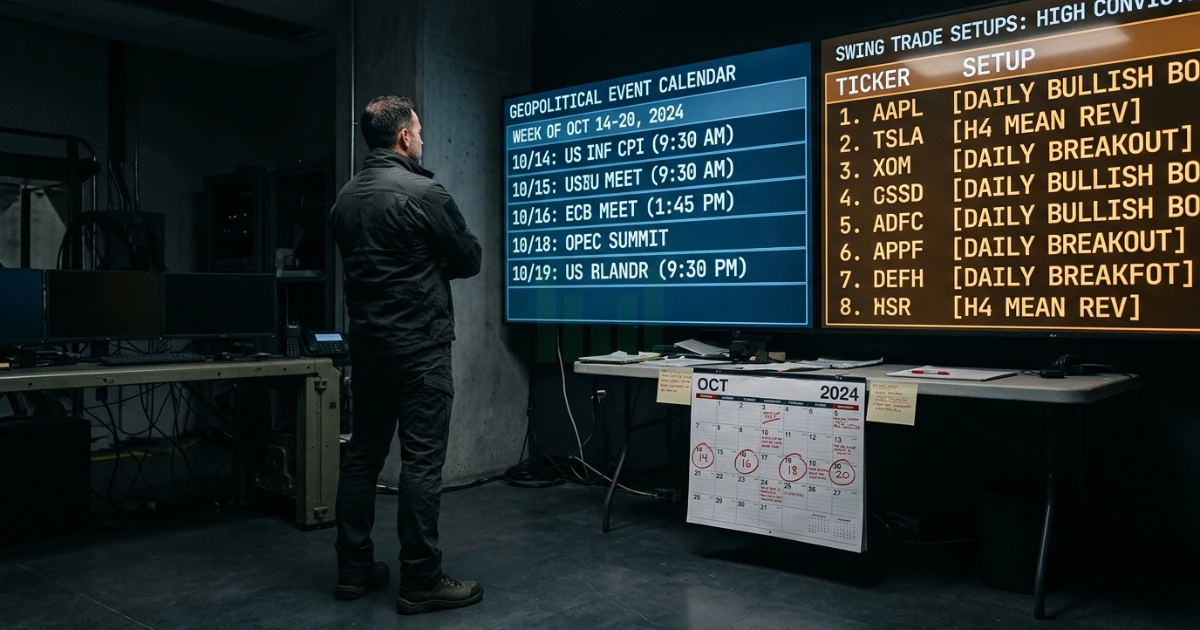
Preparation doesn't mean predicting the outcome. It means knowing what's on the calendar and sizing positions accordingly.

Before entering any swing trade, disciplined traders ask three questions. Is there a major geopolitical event or policy decision scheduled during my hold period? Does the stock or sector I'm trading have direct exposure to that event? And if the event goes the wrong way, is my position sized to survive the gap?

The answers to those three questions determine whether a trade is worth taking not just whether the chart looks clean. A technically perfect setup in a rate-sensitive sector entered the day before a central bank decision isn't disciplined trading. It's unnecessary exposure.
Most Searched. Already Covered.

How do geopolitical events affect stock prices? Geopolitical events affect stock prices by creating sudden uncertainty that forces institutional investors to reprice risk across entire sectors and markets. Conflicts drive energy and defense stocks, trade policy shifts hit manufacturing and technology, and political transitions create broad market volatility. The speed of the impact often within minutes of a development breaking means most retail traders respond after the move has already happened.

How do swing traders protect themselves from geopolitical risk? Swing traders protect against geopolitical risk by checking the macro event calendar before entering positions, avoiding oversized trades in sectors directly exposed to upcoming decisions, and maintaining stop losses that account for potential gap moves rather than just intraday price action. The goal isn't to predict geopolitical outcomes it's to ensure no single unexpected event causes irreversible damage to the account.

What sectors are most affected by geopolitical events? Energy and commodities are most directly affected by conflict and supply chain disruptions. Technology and manufacturing move on trade policy and tariff decisions. Financials and real estate respond to central bank decisions and interest rate moves. Defense stocks react to military escalation. Safe-haven assets like gold and government bonds absorb risk-off capital flows during periods of broad uncertainty.

Swing Pilot Tracks What the Charts Can't Tell You

A technically valid setup in a geopolitically exposed sector without awareness of what's happening in the world is a setup waiting to fail. The chart doesn't know about the weekend's headlines. Swing Pilot does.

Swing Pilot's AI processes market developments alongside technical setups filtering for opportunities where the pattern, the probability, and the broader market environment align. No setup that carries unnecessary macro exposure makes the ranked list. Every opportunity delivered accounts for more than just where price is. It accounts for what the world is doing while you're not watching.

Geopolitical events will always move markets. Swing Pilot makes sure you're positioned for it not caught by it.

Become a Beta Tester for Free

Smarter Swings. Stronger Returns.


What to read next

Home  >  Blog • 8 min. read

How Geopolitical Events Move Your Swing Trades

Team Logo
Michael Podsiadlo
Last Update Oct 02, 2026

Most swing traders track charts. Very few track geopolitics. Conflicts, rate decisions, and trade collapses don't ask permission before moving your position. That blind spot costs more trades than any bad entry ever could. Here's everything you need to know; straight ahead.

Email Email Hover Facebook Facebook Hover Copy Link Copy Link Hover
Listen this blog
0:00 0:00

The Market Doesn't Wait for the News to Make Sense

Geopolitical events move markets before most traders understand what's happening. The moment a major development breaks a conflict escalation, a sanctions announcement, an unexpected election result institutional algorithms react in milliseconds. By the time retail traders read the headline, the chart has already moved.

That speed is what makes geopolitical risk different from technical risk. A bad earnings report is scheduled. A central bank decision has a date. Geopolitical events have no calendar. They arrive without warning and reprice entire sectors, currencies, and indices before a single retail trader has processed what they mean.

The traders who survive these moments aren't the ones who predicted the event. They're the ones who had a system prepared before it happened.

Which Geopolitical Events Hit Swing Trades the Hardest

Not every global development moves markets equally. Swing traders need to understand which events carry the most weight and why.

Conflict and military escalation Wars and armed conflicts immediately move energy prices, defense stocks, and safe-haven assets like gold. A swing trade in energy or materials that was technically perfect on Thursday can gap violently against you by Monday if a conflict escalates over the weekend.

Trade policy and tariffs Trade decisions hit manufacturing, technology, and consumer sectors directly. A new tariff announcement can reprice an entire sector in a single session turning a clean breakout setup into a losing position before the setup even had a chance to develop.

Central bank decisions and currency moves Interest rate decisions and central bank commentary move currencies and bond markets instantly. For swing traders in sectors sensitive to rates financials, real estate, utilities these events are the difference between a setup holding or collapsing overnight.

Elections and political transitions Political uncertainty creates volatility before and after results. Markets hate uncertainty more than they hate bad news and elections deliver uncertainty in quantity.

What Smart Swing Traders Do Before Geopolitical Risk

Preparation doesn't mean predicting the outcome. It means knowing what's on the calendar and sizing positions accordingly.

Before entering any swing trade, disciplined traders ask three questions. Is there a major geopolitical event or policy decision scheduled during my hold period? Does the stock or sector I'm trading have direct exposure to that event? And if the event goes the wrong way, is my position sized to survive the gap?

The answers to those three questions determine whether a trade is worth taking not just whether the chart looks clean. A technically perfect setup in a rate-sensitive sector entered the day before a central bank decision isn't disciplined trading. It's unnecessary exposure.

Most Searched. Already Covered.

How do geopolitical events affect stock prices? Geopolitical events affect stock prices by creating sudden uncertainty that forces institutional investors to reprice risk across entire sectors and markets. Conflicts drive energy and defense stocks, trade policy shifts hit manufacturing and technology, and political transitions create broad market volatility. The speed of the impact often within minutes of a development breaking means most retail traders respond after the move has already happened.

How do swing traders protect themselves from geopolitical risk? Swing traders protect against geopolitical risk by checking the macro event calendar before entering positions, avoiding oversized trades in sectors directly exposed to upcoming decisions, and maintaining stop losses that account for potential gap moves rather than just intraday price action. The goal isn't to predict geopolitical outcomes it's to ensure no single unexpected event causes irreversible damage to the account.

What sectors are most affected by geopolitical events? Energy and commodities are most directly affected by conflict and supply chain disruptions. Technology and manufacturing move on trade policy and tariff decisions. Financials and real estate respond to central bank decisions and interest rate moves. Defense stocks react to military escalation. Safe-haven assets like gold and government bonds absorb risk-off capital flows during periods of broad uncertainty.

Swing Pilot Tracks What the Charts Can't Tell You

A technically valid setup in a geopolitically exposed sector without awareness of what's happening in the world is a setup waiting to fail. The chart doesn't know about the weekend's headlines. Swing Pilot does.

Swing Pilot's AI processes market developments alongside technical setups filtering for opportunities where the pattern, the probability, and the broader market environment align. No setup that carries unnecessary macro exposure makes the ranked list. Every opportunity delivered accounts for more than just where price is. It accounts for what the world is doing while you're not watching.

Geopolitical events will always move markets. Swing Pilot makes sure you're positioned for it not caught by it.

Become a Beta Tester for Free

Smarter Swings. Stronger Returns.


Time Is the Edge.

Use It.

Stop trading on emotion. Get AI-powered signals ranked by probability, delivered before the bell.

Become a Beta TesterFree!

What to read next
Why Monday Trades Lose More Than Any Other Day
Read More
Risk-Reward Is the Only Metric That Matters
Read More
The Trend Is Your Only Friend in Trading. Use It.
Read More